The Neurological Limits of Stress-Relief Objects: What Research Says (and What We Still Do Not Know)
⏱ Reading time: 6 minutes – Inside: what science supports, what it questions, and how to use tools like spinner rings responsibly.

Why We Reach for Movement
Humans use touch and small movements to regulate attention and emotion. Many people with restless minds feel better when their hands have something simple to do. That instinct is real, and it appears in both daily life and lab studies. Some ADHD research suggests that movement can support cognition for certain people, likely by keeping arousal in a helpful range. In other words, a little motion can sometimes help the brain stay engaged.
“Think of fidgeting as a dial, not a switch. The goal is the right level of alertness, not zero movement.”
What Science Confirms So Far
1) Movement can help some people focus.
In ADHD studies, allowing small, purposeful movement is linked to better working memory and task performance for some participants. The takeaway is that motion is not always the enemy of focus. Sometimes it is the scaffold.
2) Simple tactile tools can reduce momentary distress in specific settings.
During painful or stressful procedures, holding or squeezing an object such as a stress ball has been associated with lower anxiety or pain ratings in some groups. These are short windows with clear stressors, and the tool serves as a grounding distraction.
3) Mindfulness and skills training have stronger evidence than gadgets.
Across many trials, mindfulness-based therapies show measurable benefits for anxiety and emotional regulation. Objects can support a mindfulness habit, but the practice itself carries most of the scientific weight.
What Science Questions or Refutes
1) Not every “fidget” improves attention.
Several classroom studies report worse attention or learning when students use popular fidget spinners. For some learners, the device becomes the distraction rather than the support.
2) Generalization is limited.
Findings from one context do not automatically apply to all. A tool that helps during a medical procedure may not help during a meeting or study session. Many studies are small and short-term, which limits how far we can generalize.
3) Novelty effects are real.
Some benefits fade as soon as the object no longer feels new. When a tool only works because it is novel, it may not offer lasting support.
Where Wearable Calm Tools Fit In
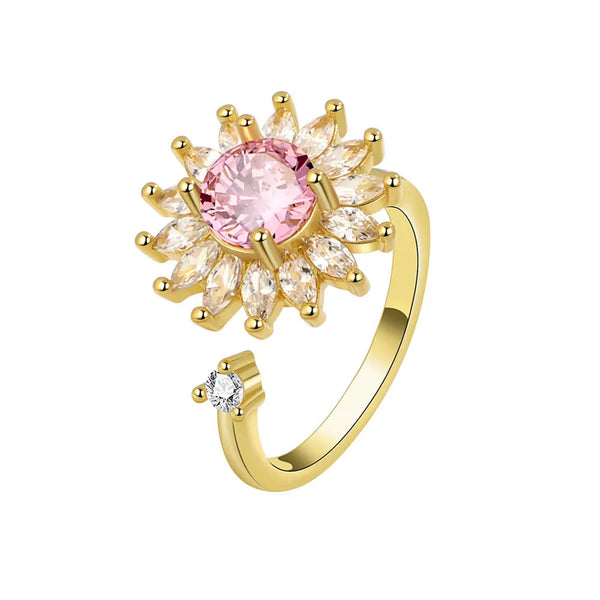
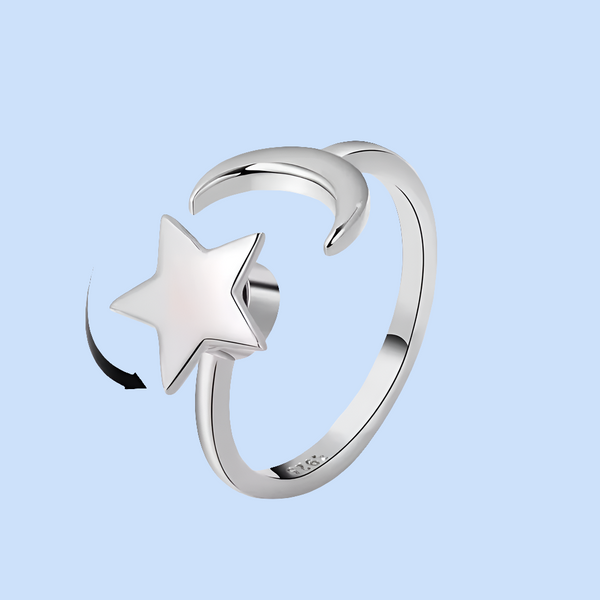
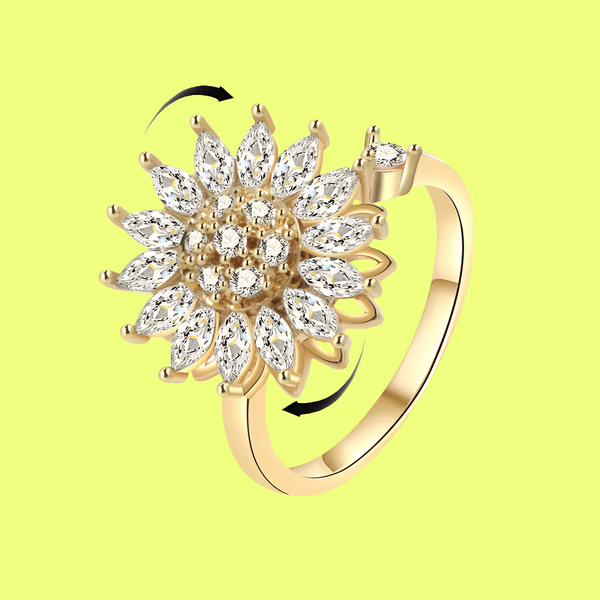
This is where spinner rings, silver fidget rings, anxiety rings, stress rings, and calm rings can make sense. They are quiet, socially acceptable, and always close to hand. The motion is small and deliberate, which reduces the risk of distraction. When the spin is subtle and rhythmic, it may serve regulation rather than pull focus. While research on rings themselves is still limited, the logic aligns with findings on movement and tactile grounding.
“Helpful tools stay in the background. If the object becomes the main event, it is not helping.”
What We Still Do Not Know
- Long-term outcomes: Most studies track minutes, days, or a few weeks. We need longer follow-ups.
- Who benefits most: Age, diagnosis, sensory profile, and environment likely shape the effects.
- Which features matter: Texture, weight, magnetic versus mechanical rotation, and tactile sensitivity may all play a role. Comparative studies are rare.
Practical, Responsible Guidance
Use it as an aid, not a cure.
A spinner ring is a small, portable way to channel energy and create a calming micro-ritual. It does not treat ADHD or clinical anxiety, and it does not replace professional care, therapy, sleep, exercise, or breathwork.
Test by context.
Try your ring during a meeting, while writing, or during travel. Notice where it supports you and where it distracts you. Keep what helps. Let go of what does not.
Keep the motion small and the goal clear.
If you catch yourself fixating on the object, pause. The goal is quiet support, not fascination.
Pair it with skills.
Link the spin to a breath, a count of three, or a short grounding phrase. Objects work best when they cue habits that already have evidence behind them.
Our Position
Tool, not remedy.
We celebrate silver fidget rings and anxiety rings as discreet, beautiful tools for self-regulation. We do not present them as treatments. The science supports mindful movement and tactile grounding. It also cautions against sweeping promises. Both truths can exist together.
“Wear the support. Seek the skills. Let the two work together.”
Explore the Silver Fidget Ring Collection
References
- Hartanto, T. A., Krafft, C. E., Iosif, A.-M., & Schweitzer, J. B. (2016). A trial on the benefits of movement for attention in children with ADHD. Journal of Abnormal Child Psychology. https://doi.org/10.1007/s10802-016-0170-8
- Can Yasar, M., & Unver, S. (2020). Effect of stress ball use on anxiety during hemodialysis: A randomized controlled study. Clinical Nursing Research. https://doi.org/10.1177/1054773820912402
- McClure, E. B., et al. (2019). Fidget spinner use and attention: A classroom study. Journal of Attention Disorders. https://doi.org/10.1177/1087054719878889
- Chiesa, A., & Serretti, A. (2010). Mindfulness-based stress reduction for stress management: A meta-analysis. Journal of Alternative and Complementary Medicine. https://doi.org/10.1089/acm.2009.0546
- Skosnik, P. D., Chatterton, R. T., Swisher, T., & Park, S. (2000). Modulation of attentional processing by fidgeting and movement. Biological Psychology. https://doi.org/10.1016/S0301-0511(00)00010-5
- Kabat-Zinn, J. (2003). Mindfulness-based interventions in context. Clinical Psychology: Science and Practice. https://doi.org/10.1093/clipsy.bpg016