From Tibet to TikTok: The Cultural Journey of Spinner Rings
⏱ Reading time: 5 minutes – What you’ll discover: the ancient origins of spinner rings and their sacred meaning, how modern silver fidget rings echo centuries of mindfulness, and why the search for calm through motion is deeply human.

The Sacred Origins of Spinner Rings
Calm has always started with the hands. In Tibet, long before the idea of fidgeting existed, monks would walk slowly around their monasteries, their palms brushing the edges of tall prayer wheels. Each wheel carried mantras of compassion carved into metal. Turning them was a way to keep prayers alive, to move energy into the world, and to anchor the mind in the present.
The motion was slow, steady, and deliberate. It was meditation through movement, a rhythm that turned noise into stillness.
The same gesture survives today in the quiet spin of a spinner ring. The material may have changed, but the meaning remains. Touch becomes awareness. Motion becomes calm.
“To turn something with intention is to tell the mind it can rest.”
From Prayer Wheels to Silver Fidget Rings
Over centuries, the prayer wheel evolved into smaller, more personal objects. Some could fit in the palm of a hand. Eventually, the idea took the form of jewelry — a small ring that turned around itself, worn close to the body.
It was not about appearance but about intention. Every rotation was a reminder of presence. A ritual made invisible, yet deeply felt.
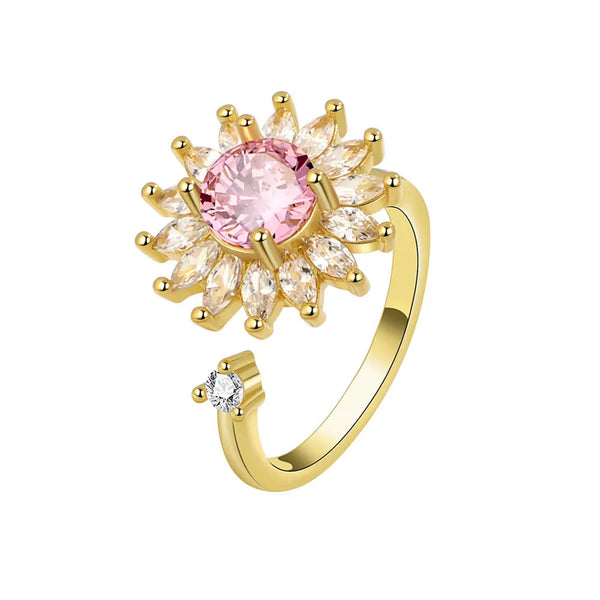
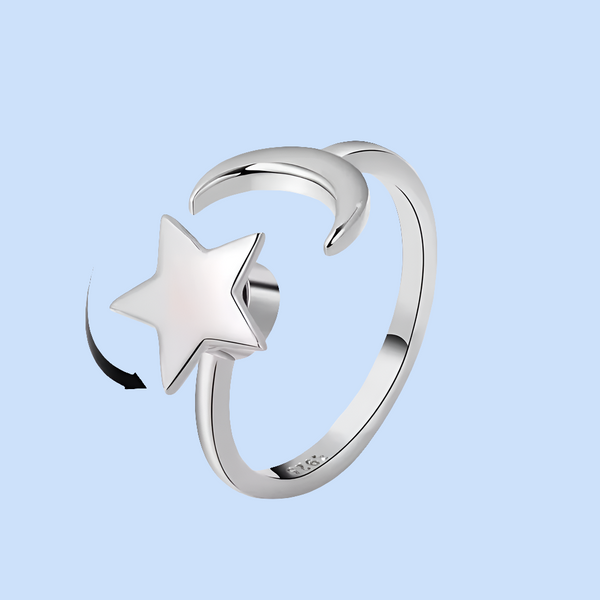
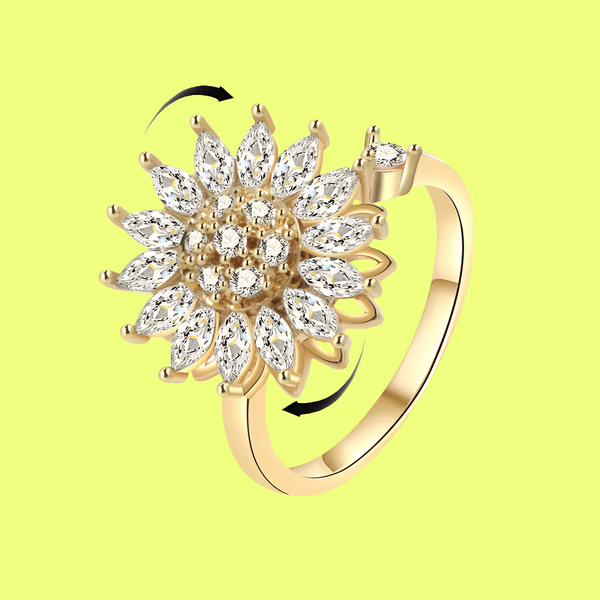
Today, silver fidget rings and anxiety rings continue that story in a modern way. They are companions for busy minds, objects that help us find stillness without stepping away from life. The spin of a ring at your desk or during a meeting is not so different from the wheel turning in a monastery courtyard. Both gestures say the same thing: I am here. I am breathing.
Explore Spinner Rings at Melloa
The Universal Language of Movement
Touch is one of the oldest forms of self-regulation. Children twist their hair when they think. Artists tap their brushes while they paint. Monks spin wheels. Professionals turn their stress rings while waiting for their next call.
These gestures are not nervous habits. They are the body’s way of finding rhythm. When we move, we balance our thoughts. When we spin something, we remind the mind that it can flow again.
That is why calm rings speak to so many people, in every culture. They are not a copy of a sacred practice but an echo of it. They carry the same quiet message: peace begins with motion.
“To move is to remember that we are alive.”
From Sacred Spaces to Digital Screens
In our time, the spinner ring has found a new home on social media. On TikTok and Instagram, people film the soft spin of silver rings and talk about anxiety, focus, and mindfulness. A gesture once sacred has become a language of self-care, shared by millions who are learning to slow down again.
Each video, each rotation, is still a small act of presence. Technology has not erased the sacred. It has only given it a new way to travel, from one pair of hands to another.
The Meaning of the Modern Spinner Ring
From copper to silver, from temples to offices, the spinner ring has crossed centuries and continents without losing its soul. What began as a spiritual tool now lives as a quiet reminder of balance in everyday life. We turn the ring not to pray, but to pause. Not to worship, but to breathe.
Every spin says the same thing the monks once did: peace begins here, in the body. The world moves fast. You can still move slowly.
“The circle never ended. It simply found new hands.”
Quick Takeaway
Spinner rings, anxiety rings, stress rings, and calm rings all tell the same story. They carry the timeless wisdom that movement and peace belong together.
✨ Wear your silver fidget ring not to imitate tradition, but to honor it in your own way. Calm is not ancient or modern. It is human.